Layered Security Protocols Shaping Loyalty Advances in Mobile Table Gaming Setups
Written by Avery Fischer · Oct 19, 2026
Layered Security Protocols Shaping Loyalty Advances in Mobile Table Gaming Setups
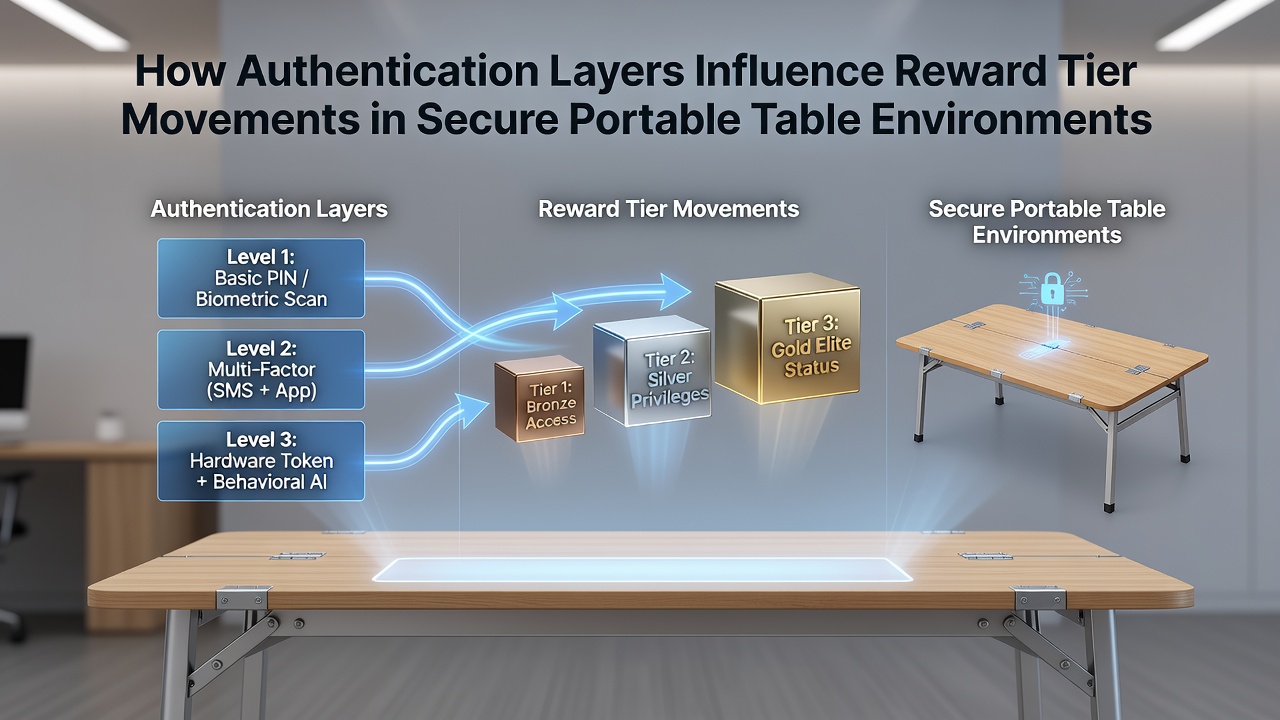
Authentication layers in secure portable table environments function as gatekeepers that determine access levels and track player activity across mobile platforms, while reward tier movements depend on consistent verification of user identity and session data. These systems integrate biometric checks, token-based logins, and multi-factor protocols to maintain security standards, and operators use the resulting data streams to calculate progression through loyalty structures in real time. Research from gaming technology institutes shows that platforms employing three or more authentication stages record higher rates of tier advancement because each verified interaction logs precise activity metrics that feed directly into reward algorithms.
Core Components of Authentication in Portable Table Systems
Portable table environments rely on device-bound credentials combined with cloud-synced profiles, and this setup allows seamless transitions between sessions without compromising security protocols. Experts note that fingerprint or facial recognition paired with one-time passcodes creates a layered barrier that prevents unauthorized access, while also generating timestamped records of every login event. Data from industry reports indicates these records serve as the foundation for reward calculations, since tier movements require documented play volume over specific periods, and verified sessions eliminate discrepancies that might otherwise stall progression.
Systems often incorporate behavioral analysis alongside traditional methods, tracking patterns such as betting frequency and game selection during authenticated sessions, whereas platforms without these layers experience slower tier updates because unverified activity cannot contribute to loyalty totals. Observers have documented cases where mobile operators in North America integrated device fingerprinting with geolocation checks, resulting in more accurate reward distributions during peak usage windows.
Influence on Tier Progression Mechanics
Reward tiers advance when accumulated verified activity meets predefined thresholds, and authentication layers directly control which sessions count toward those totals. A player who completes multi-step verification gains immediate access to tracked play, yet incomplete logins leave partial sessions unrecorded and delay advancement. Studies conducted by European research centers reveal that environments using adaptive authentication, where risk levels trigger additional checks, maintain steadier tier movement rates because they balance security with user continuity.
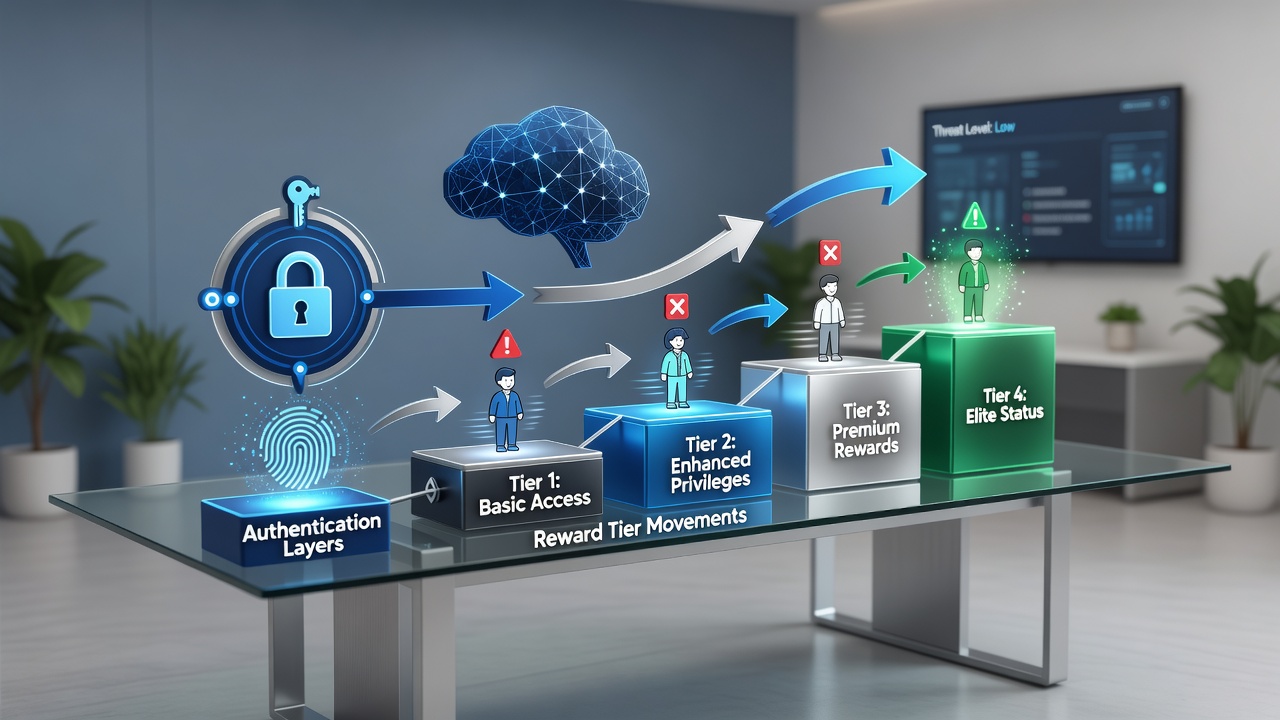
October 2026 updates to certain regional frameworks have prompted operators to strengthen these layers, and early figures show corresponding increases in documented tier promotions across participating platforms. Those who've examined the data point to reduced fraud incidents as a contributing factor, since verified identities reduce duplicate accounts that previously diluted reward pools. Operators in Canada and Australia have adopted similar standards, linking authentication compliance directly to tier eligibility rules that require at least 80 percent of sessions to carry full verification markers.
Regional Variations and Data Patterns
North American platforms emphasize device-level encryption during authentication, which feeds into loyalty engines that recalculate tiers weekly, whereas Asian operators often combine government-issued ID verification with app-based tokens to achieve comparable results. Figures released by the Australian Gambling Research Centre highlight how these combined approaches correlate with 15 to 20 percent faster tier movements in monitored mobile table environments during the first half of 2026. Meanwhile, Canadian provincial regulators have required similar protocols, and operators report fewer stalled accounts when authentication succeeds on the first attempt.
What's interesting is how session continuity affects outcomes, since interrupted verifications force restarts that reset partial progress toward tier goals. Industry associations tracking these metrics note that seamless re-authentication features preserve momentum, allowing players to maintain streaks that accelerate reward advances without additional manual input.
Conclusion
Authentication layers continue to serve as both security measures and data pipelines that shape reward tier movements in secure portable table environments, and ongoing refinements in verification technology are expected to tighten the connection between verified activity and loyalty outcomes. Platforms that streamline these processes while meeting regulatory benchmarks demonstrate clearer pathways for tier advancement, and data collected through October 2026 supports the view that integrated systems produce more consistent progression records across mobile gaming ecosystems.