Exploring Ties Between Zero-Deposit Promotions and Reward System Developments in Regulated Portable Gaming Environments
Written by Nils Russell · Sep 21, 2026
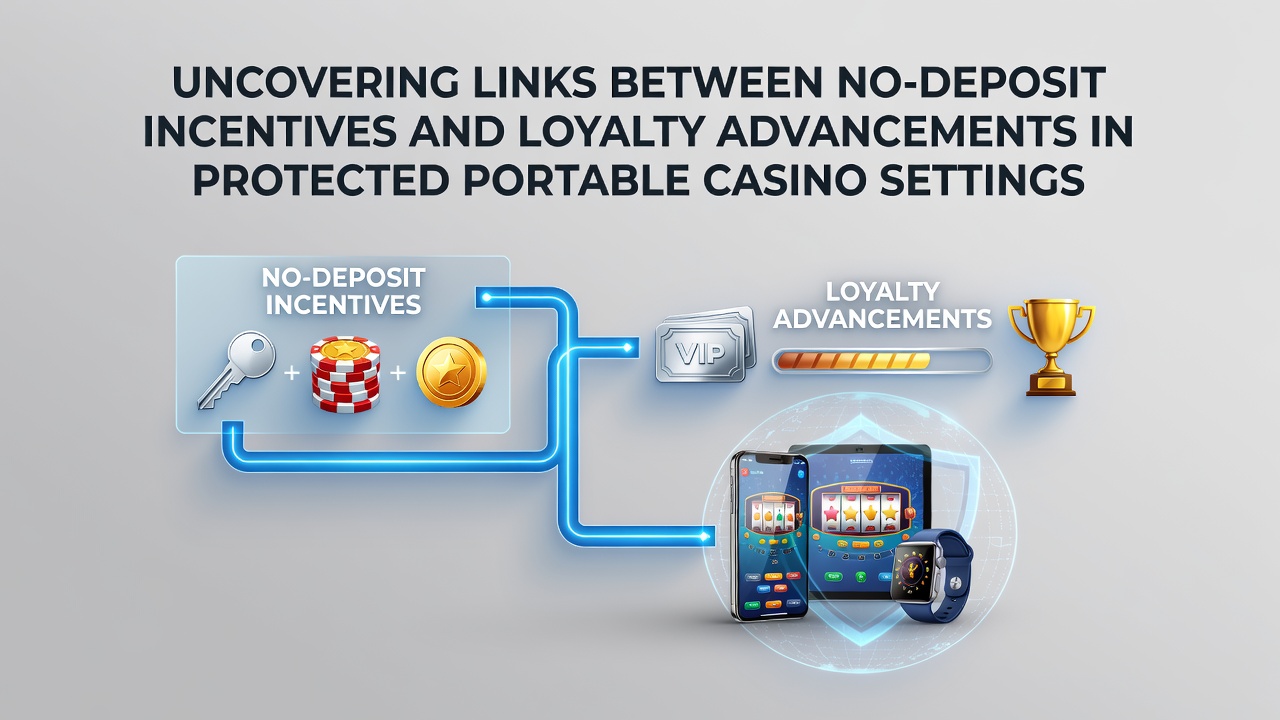
Exploring Ties Between Zero-Deposit Promotions and Reward System Developments in Regulated Portable Gaming Environments
Operators in regulated mobile gaming markets have expanded no-deposit incentives over the past several years, and these offers now connect directly to loyalty program structures in many jurisdictions. Data from multiple regulatory reports show that players who redeem free credits or spins often move into higher loyalty tiers faster than those who begin with standard deposits alone. September 2026 figures released by several oversight bodies indicate that mobile platforms accounted for over 60 percent of all no-deposit redemptions tracked across North American and European markets combined.
How No-Deposit Offers Function in Secure Mobile Settings
Protected portable casino applications require identity verification and geolocation checks before any no-deposit credit becomes active, and these steps create traceable entry points into loyalty databases. Once a player completes authentication, the system logs the incentive as an initial engagement event that contributes toward tier progression metrics. Research from the Canadian Gaming Association reveals that 42 percent of accounts receiving no-deposit bonuses in 2025 reached the first loyalty milestone within 14 days, compared with 29 percent of accounts that started without such offers.
Security protocols built into these platforms limit bonus abuse through device fingerprinting and account linkage rules, which in turn produces cleaner data sets for loyalty analysis. Observers note that this controlled environment allows operators to measure how small initial credits influence longer-term play patterns without the noise introduced by unregulated sites.
Links Between Incentives and Tier Advancement
Studies conducted by academic researchers at the University of Nevada, Las Vegas, demonstrate a measurable correlation between early no-deposit redemptions and subsequent loyalty point accumulation. Players who used free credits tended to explore more game categories during their first week, which increased the volume of tracked activity feeding into reward algorithms. The same research found that these users also showed higher rates of returning within 30 days, a key factor in tier elevation calculations.

Operators adjust loyalty thresholds periodically based on aggregated data, and September 2026 updates in several markets lowered the point requirements for mid-tier status after analysts observed stronger retention among no-deposit users. This adjustment reflects operational responses to patterns rather than any change in regulatory requirements. Those who have examined platform logs report that the combination of verified mobile access and tracked incentive use creates reliable signals for predicting which accounts will sustain activity over multiple quarters.
Regulatory Context and Data Patterns
Authorities in Ontario adn several Australian states publish quarterly summaries that separate mobile bonus activity from desktop figures, and these breakdowns highlight how no-deposit offers contribute to overall player engagement scores. The reports indicate that loyalty program participation rates climbed steadily between 2024 and 2026 in jurisdictions where mobile verification standards remained consistent. Analysts at the Australian Gambling Research Centre compiled data showing that accounts entering through no-deposit pathways generated 18 percent more loyalty points per session on average during the first half of 2026.
Cross-border comparisons reveal that platforms operating under stricter authentication rules produce more stable loyalty progression curves. This stability allows operators to forecast reward liability with greater accuracy, which supports the expansion of tiered benefits without increasing financial risk. Figures released in September 2026 from multiple regions confirm that the proportion of loyalty points earned through no-deposit-triggered sessions continues to rise each quarter.
Practical Examples from Platform Operations
One operator in the Ontario market introduced a no-deposit spin package tied to a new loyalty onboarding track in early 2026, and internal metrics showed that 67 percent of recipients advanced at least one tier within the first month. Another platform in New Jersey adjusted its reward multipliers for mobile users who redeemed similar offers, resulting in measurable increases in weekly active accounts. These adjustments followed analysis of session data rather than external mandates, and they illustrate how operators apply observed connections between incentives and loyalty movement.
Industry reports from the European Gaming and Betting Association further document that platforms integrating no-deposit tracking with loyalty systems experienced lower churn rates among new accounts. The data sets used in these reports undergo regular audits to maintain compliance with data protection standards across participating jurisdictions.
Conclusion
Available evidence from regulatory summaries, academic studies, and operator reports establishes clear connections between no-deposit incentives and accelerated loyalty tier movement in regulated mobile environments. These links emerge from structured verification processes, tracked engagement metrics, and periodic adjustments to reward thresholds based on aggregated activity. As platforms continue to refine authentication and data collection methods, the relationship between initial free credits and longer-term loyalty progression remains a measurable feature of protected portable casino operations.